Is Flash Frozen Seafood Healthier: Fresh vs Frozen
Table of Contents
- Flash Frozen Versus Fresh Seafood: The Core Difference
- Frozen Fish vs Fresh Fish Nutrition: What the Evidence Shows
- How Flash Freezing Preserves Quality and Freshness
- Food Safety: Parasites, Spoilage, and Cold Chain Integrity
- How to Thaw Frozen Seafood Safely and Preserve Nutrients
- How Long Does Frozen Seafood Last and When Quality Declines
- Freezer-Burned Seafood: Is It Safe to Eat
- Frequently Asked Questions
Last Updated: October 13, 2026
Flash Frozen Versus Fresh Seafood: The Core Difference
The question of whether flash frozen seafood is healthier than fresh isn't as straightforward as most people think.
Here's the real distinction: fresh seafood is typically caught, transported, and displayed over several days before you buy it. Flash freezing happens on the boat or within hours of catch, locking in quality at its peak. The cold chain matters more than the label.
At Door To Table, we source 95% of our seafood from Canadian waters and flash freeze it at peak freshness.
The confusion stems from a simple assumption: fresh must be better. But nutrient degradation, oxidation, and spoilage begin immediately after catch.
Frozen Fish vs Fresh Fish Nutrition: What the Evidence Shows
When it comes to frozen fish versus fresh fish nutrition, the research consistently shows that properly frozen seafood retains its nutritional value remarkably well. Freezing doesn't degrade protein, omega-3 fatty acids, or essential vitamins the way time and temperature fluctuations do. But the details matter, and they vary by species and storage duration.
What Happens to Nutrients After Catch
The key nutrients in fish, protein, vitamin D, selenium, and omega-3 fatty acids, remain stable when frozen quickly and stored properly. Fresh fish loses these nutrients gradually as it ages. A piece of "fresh" cod that's been in transport and display for five days has already lost some of its nutritional edge compared to fish frozen within hours of catch.
Consider this practical reality: the moment a fish is caught, oxidation begins. Fatty acids start breaking down. Bacteria begin multiplying if temperature control lapses even slightly. Flash freezing stops all of this immediately. A frozen fillet from a reputable source often contains more usable nutrients than fresh fish from a grocery store that's uncertain about its cold chain history.
Species-Specific Nutrient Retention
Not all fish behave the same in the freezer. Here's what the evidence generally shows:
- Lean white fish (cod, halibut, pollock): Protein and selenium remain stable for 6-12 months at -18°C. Vitamin B12 and niacin show minimal loss. These species are the most forgiving in frozen storage.
- Fatty fish (salmon, mackerel, trout, sardines): Omega-3 fatty acids are preserved well when frozen quickly, but they are the first nutrients to degrade if storage temperature fluctuates or if the fish is stored beyond 3-6 months. Oxidation turns those healthy fats rancid, which affects both nutrition and flavor.
- Shellfish (shrimp, scallops, crab): Protein and minerals hold up well, but texture degrades faster than finfish. Quality peaks within 3-6 months.
Storage Duration and Nutrient Decline
A common pattern in food science literature is that nutrient loss accelerates after the first three months for fatty fish and after six months for lean fish, even at proper freezer temperatures. The decline is gradual, not a cliff. At -18°C, you might see:
- Months 1-3: Minimal change in any species
- Months 3-6: Slight omega-3 oxidation in fatty fish; lean fish still near peak
- Months 6-12: Noticeable flavor and texture changes in fatty fish; lean fish beginning to decline
- Beyond 12 months: Quality loss becomes significant across most species, though safety is maintained if the cold chain held
Commercial blast freezers that reach -35°C or lower extend these windows considerably. Home freezers at -18°C are adequate but not ideal for long-term storage of fatty fish.
The Comparison Table
| Nutrient | Fresh Fish (5 days old) | Flash-Frozen Fish (frozen same day) | Winner |
|---|---|---|---|
| Protein | Stable | Stable | Tie |
| Omega-3 fatty acids | Declining due to oxidation | Preserved for 3-6 months in fatty fish | Frozen |
| Vitamin D | Minimal loss | Preserved | Frozen |
| Selenium | Stable | Stable | Tie |
| B vitamins | Gradual loss | Minimal loss | Frozen |
| Food safety risk | Higher (bacteria growth) | Lower (halted at freezing) | Frozen |
What This Means for Your Plate
The texture and flavor can differ between frozen and fresh, but nutritionally, flash-frozen fish holds its ground. What matters most is the time between catch and freezing, not whether it's frozen at all. If you're buying fatty fish like salmon, aim to use it within three to six months for peak omega-3 content. Lean fish gives you more flexibility.
How Flash Freezing Preserves Quality and Freshness
Flash freezing works by rapidly lowering the temperature of seafood to well below the point where bacterial growth and enzymatic degradation stop.
The process typically occurs on fishing vessels or within hours at shore-based facilities. The seafood goes from catch to frozen state in a matter of hours, not days.
Conventional freezing, the kind that happens in many grocery store freezers, is slower. Flash-frozen seafood avoids this problem, which is why it thaws with better texture and retains moisture better than conventionally frozen alternatives.
Door To Table's seafood arrives flash-frozen at peak freshness because we prioritize the cold chain from boat to your freezer.
Food Safety: Parasites, Spoilage, and Cold Chain Integrity
One of the most overlooked advantages of frozen seafood is food safety. Raw or undercooked fresh fish carries parasite risk, which is why sushi-grade fish must be frozen first to kill parasites. The Safe Food for Canadians Regulations mandate freezing for certain fish intended for raw consumption to mitigate this risk.
Spoilage from bacterial growth is another concern with fresh seafood. The longer fish sits at warmer temperatures, even refrigerated temperatures, the more bacteria multiply. The Food and Drug Regulations outline requirements for maintaining safe temperatures for fish products.
Cold chain integrity matters enormously. If frozen seafood thaws during transport or storage, then refreezes, you lose the safety and quality benefits. This is why reputable suppliers like Door To Table invest in insulated packaging and fast delivery to maintain temperatures below -18°C throughout transit.
When you buy fresh seafood from a grocery store, you're trusting that the cold chain was maintained from boat to display case. You can't verify this.
How to Thaw Frozen Seafood Safely and Preserve Nutrients
The way you thaw frozen seafood directly affects both safety and nutritional quality. Thawing at room temperature is the worst approach; it allows bacteria to multiply in the danger zone between 4°C and 60°C. But there's more to safe thawing than just avoiding the countertop.
Refrigerator Thawing: The Gold Standard
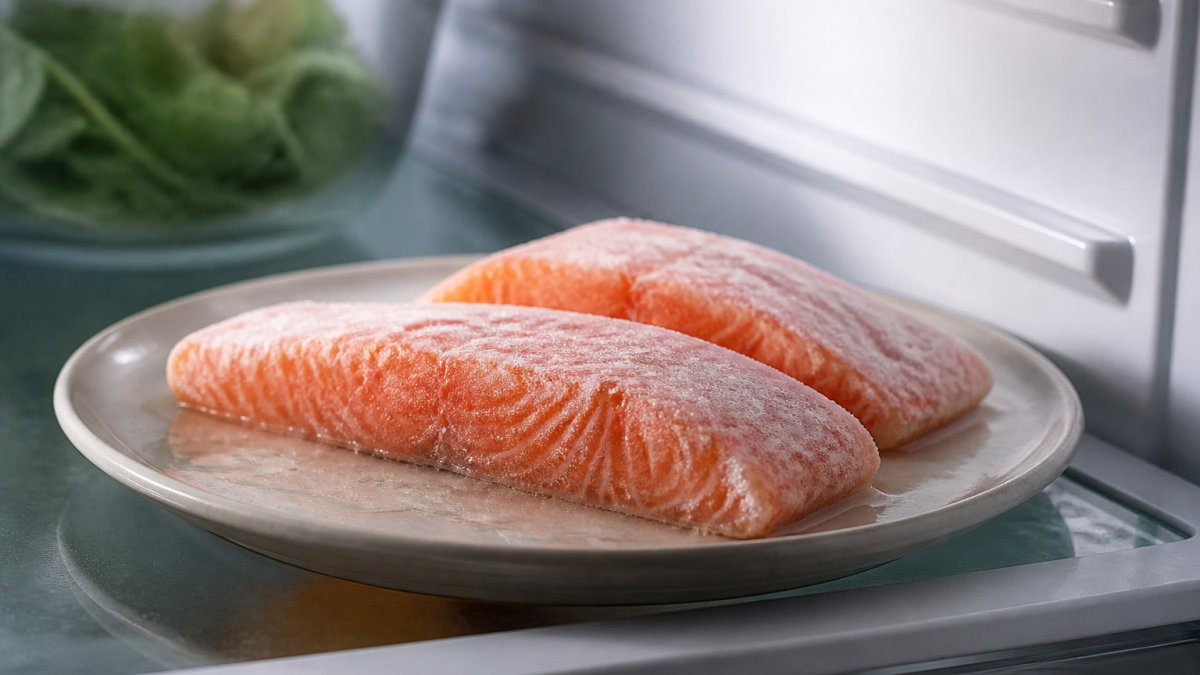
The safest and best method is refrigerator thawing. Move your seafood from the freezer to the refrigerator the night before cooking. This keeps it in the safe temperature zone while allowing ice crystals to melt gradually. Thawing in the refrigerator takes 12-24 hours depending on thickness, but it preserves texture and nutrients better than any other method.
Place the seafood on a plate or in a container to catch drips. This prevents cross-contamination with other foods in your fridge. Never thaw seafood directly on a shelf where juices can drip onto produce or ready-to-eat items.
Cold Water Thawing: Faster but Requires Attention
Cold water thawing is faster if you're short on time. Seal the seafood in a leak-proof bag and submerge it in cold water, changing the water every 30 minutes. This typically takes 1-2 hours for a standard fillet and is safe as long as the water stays cold. Warm water encourages bacterial growth on the surface even if the interior is still frozen.
Cooking From Frozen: A Safe Shortcut
Many types of seafood can be cooked directly from frozen without thawing first. This is safe and convenient for:
- Shrimp: Add frozen shrimp directly to boiling water, stir-fries, or curries. They cook in 2-4 minutes.
- Salmon and other fatty fish fillets: Bake at 200°C (400°F) for 20-25 minutes, or pan-sear covered for the first half of cooking. Add seasoning before cooking.
- White fish fillets: Bake or poach from frozen, adding 5-10 minutes to standard cooking times.
Cooking from frozen avoids the thawing step entirely and eliminates the risk of leaving seafood in the danger zone too long. The texture may differ slightly from thawed fish, but for many preparations the difference is minimal.
What to Avoid
- Never thaw at room temperature. Bacteria multiply rapidly between 4°C and 60°C.
- Never use hot water. It damages the outer layers of the fish, affecting texture and potentially losing nutrients to the water.
- Never refreeze thawed fish unless you've cooked it first. Refreezing raw thawed seafood increases the risk of bacterial growth and degrades quality further.
- Never thaw in the microwave unless you're cooking immediately. Microwave thawing can partially cook edges, creating uneven temperatures that promote bacterial growth.
Cross-Contamination Prevention
Raw seafood juices can carry bacteria that contaminate other foods. Follow these practices:
- Use a dedicated cutting board and utensils for raw seafood.
- Wash hands, surfaces, and tools with hot soapy water after handling raw seafood.
- Keep thawed seafood covered and separated from ready-to-eat foods in the refrigerator.
- Discard any marinade or liquid that touched raw seafood unless it's been boiled.
After Thawing
Once thawed, cook the seafood promptly, within 1-2 days for most species. Don't refreeze thawed fish unless you've cooked it first. Proper thawing is where most home cooks lose quality; rushing this step undoes the advantage of starting with flash-frozen seafood.
How Long Does Frozen Seafood Last and When Quality Declines
Frozen seafood lasts far longer than fresh, but quality does decline over time. The length depends on the type of fish, the freezing method, and storage conditions.
Fatty fish like salmon, mackerel, and trout oxidize faster than lean fish. In a standard home freezer at -18°C, fatty fish maintains good quality for 2-3 months, while lean fish like cod or halibut can last 6-8 months or longer. Commercial freezers at lower temperatures extend this further.
The decline is gradual. After a few months, you might notice slight changes in flavor or texture, but the fish remains safe to eat if it's been stored properly. Freezer burn, those white or gray spots on the surface, indicates oxidation and moisture loss, which affects quality but not safety.
Door To Table seafood arrives with a clear date. Check it when it arrives and note when you plan to use it.
Freezer-Burned Seafood: Is It Safe to Eat
Freezer burn is cosmetic damage, not a food safety issue. It happens when moisture on the surface of seafood evaporates in the freezer, leaving behind oxidized, dehydrated patches.
However, freezer-burned areas affect flavor and texture. They taste slightly off and can be tough or dry. If freezer burn is minimal, just small spots, you can trim them away before cooking.
Freezer burn happens when seafood isn't properly sealed or when it's been stored too long. Vacuum-sealed packaging from Door To Table protects against this.
The answer to whether flash frozen seafood is healthier depends on what you're comparing it to. Against fresh seafood that's been in transport and display for days, flash-frozen wins on nutrient retention, food safety, and quality.
For families seeking reliable, safe, restaurant-grade seafood without the guesswork of grocery store sourcing, flash-frozen is the practical choice. Door To Table delivers Canadian wild-caught seafood flash-frozen at peak freshness, with portion control and fast delivery to Edmonton and surrounding areas, and Fort McMurray.
Frequently Asked Questions
Is flash-frozen seafood as healthy as fresh seafood?
Yes. Flash freezing captures seafood at peak freshness and halts nutrient degradation. Protein, omega-3 fatty acids, and key vitamins remain intact because freezing stops oxidation and spoilage. Fresh seafood loses nutritional value during transport and storage; flash frozen seafood locks in quality at the source. Both deliver comparable health benefits when properly thawed and prepared.
Does flash freezing preserve nutrients in seafood?
Flash freezing preserves nutrients by stopping enzymatic activity and oxidation that break down vitamins and fatty acids. The rapid temperature drop (to -18°C or below in minutes) prevents ice crystal formation that damages cell structure. This means omega-3 content, protein, and B vitamins remain stable throughout storage. Slow freezing allows larger ice crystals to form, damaging cells and nutrient retention.
Can you eat freezer-burned seafood?
Freezer-burned seafood is safe to eat but quality suffers. Freezer burn occurs when moisture escapes, creating ice crystals and oxidation. The texture becomes dry and stringy, and flavor deteriorates. While not harmful, it indicates extended storage or temperature fluctuations. Proper packaging and consistent freezer temperatures (below -18°C) prevent freezer burn. If present, trim affected areas before cooking.
How should I thaw frozen seafood to keep it safe?
Thaw in the refrigerator overnight (safest method) or under cold running water for 30 minutes. Never thaw at room temperature, which allows bacteria to multiply in the danger zone (4-15°C). Refrigerator thawing maintains cold-chain integrity and preserves texture and nutrients. Once thawed, cook within 24 hours. Thaw only the portion you plan to use immediately.


