Best Ways to Avoid Freezer Burn on Meat
Table of Contents
- What Causes Freezer Burn and How to Recognize It
- How to Prevent Freezer Burn on Meat: Essential Techniques
- Vacuum Sealing Meat for the Freezer: Step-by-Step
- Wrapping and Portioning Strategies
- How Long Does Frozen Meat Last Without Freezer Burn
- Freezer Maintenance and Organization
- Common Mistakes to Avoid
- Sustainable and Reusable Storage Alternatives
- Frequently Asked Questions
Last Updated: October 7, 2026
What Causes Freezer Burn and How to Recognize It
Freezer burn happens when meat loses moisture to the freezer environment. It's a natural process, but it's also entirely preventable.
Freezer burn occurs through a process called sublimation. Water molecules on the surface of frozen meat transform directly into ice crystals without passing through a liquid state.
Cold air is dry air. Every time your freezer door opens, warm air rushes in. When that air hits frozen meat, condensation forms on the surface.
The Science of Sublimation and Ice Crystals
Sublimation is the culprit behind freezer burn. Water molecules escape the meat's surface and transform into ice crystals directly.
Temperature fluctuations speed up sublimation. Every time your freezer cycles or the door opens, the temperature rises slightly. The meat's surface warms, then refreezes.
Oxidation also plays a role. Meat exposed to air undergoes oxidation, which causes browning and flavor loss. This compounds the damage from sublimation. The meat becomes both dry and discolored.
Signs Your Meat Has Freezer Burn
Freezer burn leaves visible marks. Look for gray-brown discolored patches on the surface of the meat.
Freezer-burned meat loses moisture and becomes tough. When you cook it, the texture is noticeably different from fresh frozen meat. The flavor also deteriorates.
Prevention is far easier than dealing with freezer-burned meat, which is why learning how to avoid freezer burn matters. Once sublimation starts, you can't reverse it.
How to Prevent Freezer Burn on Meat: Essential Techniques
The key to avoiding freezer burn is creating a barrier between meat and cold air. Multiple layers of protection work better than a single layer. Airtight seals stop air exposure. Proper wrapping techniques minimize moisture loss.
Remove Excess Air Before Freezing
Air is your enemy. Before the meat goes into the freezer, remove as much air as possible. This single step cuts freezer burn risk dramatically.
If you're using zipper bags, the straw method works well. Fill the bag with meat, seal it almost completely, then insert a straw.
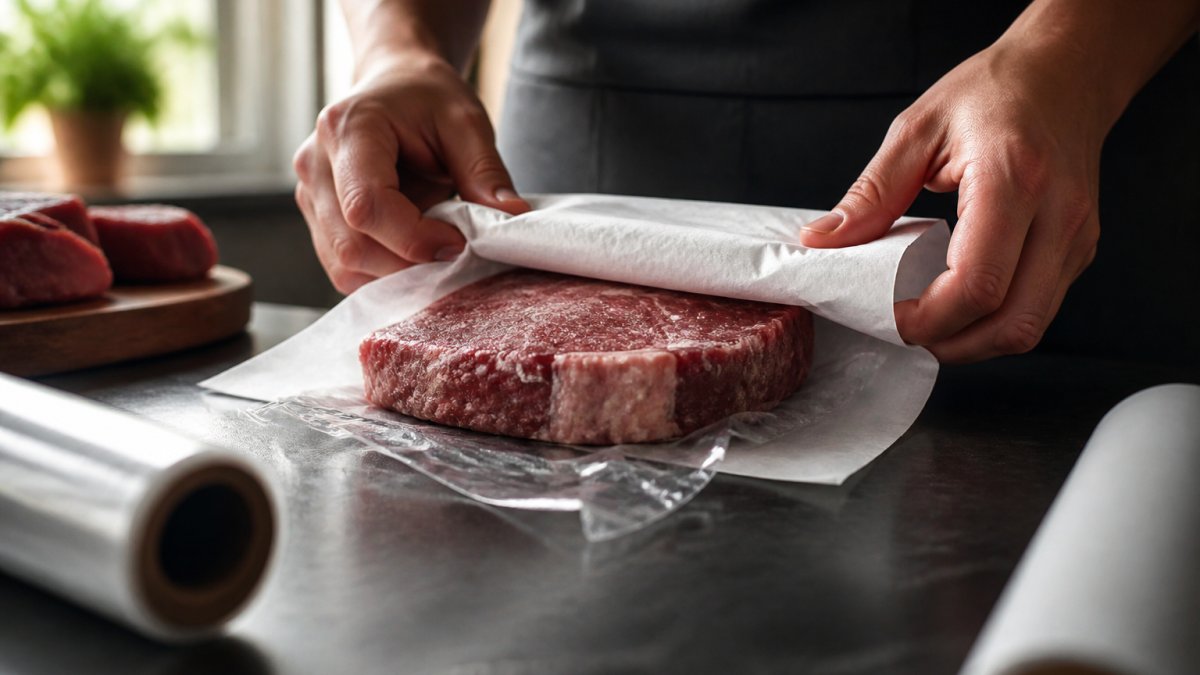
For wrapped meat, press the wrapping tightly against the surface. Eliminate gaps and folds where air can hide.
Use Multiple Layers of Protection
One layer isn't enough. Two or three layers create a more effective barrier against sublimation and oxidation.
Start with plastic wrap pressed directly against the meat. This layer conforms to the meat's shape and removes surface air. Next, add freezer paper or aluminum foil. The plastic coating on freezer paper prevents moisture from escaping.
Each layer serves a purpose. The inner layer seals tightly. The middle layer provides insulation. The outer layer protects against temperature fluctuations.
Vacuum Sealing Meat for the Freezer: Step-by-Step
Vacuum sealing removes air completely. This method is the gold standard for long-term meat storage. It stops sublimation and oxidation at the source.
Choosing the Right Vacuum Sealing Equipment
The FoodSaver Vacuum Sealing System is the most common choice for home use. It removes air automatically and seals bags with heat.
Other vacuum sealers exist, but the FoodSaver line offers reliability and compatibility. The system has moist and dry settings for different protein types.
Budget matters. A basic vacuum sealer costs around $129.99 and lasts for years. The ongoing cost is proprietary bags, which add up over time.
Proper Sealing Technique for Maximum Protection
Preparation is critical. Pat the meat dry before sealing. Moisture on the surface can interfere with the heat seal.
Insert the bag opening into the vacuum sealer. The machine will remove air, then heat-seal the bag in one motion.
Test the seal by trying to pull it apart slightly. A proper seal won't budge.
Vacuum-sealed meat lasts significantly longer in the freezer. You gain weeks or months of additional storage time compared to standard wrapping.
Wrapping and Portioning Strategies
Not everyone wants to invest in a vacuum sealer. Wrapping techniques work well when done correctly. The key is eliminating air pockets and creating a moisture barrier.
Double-Wrapping with Freezer Paper and Plastic Wrap
Freezer paper has a plastic coating on one side. The plastic side goes against the meat.
Wrap the meat tightly in freezer paper, plastic side down. Fold the edges carefully and secure with tape.
Next, wrap the freezer-paper bundle in plastic wrap. Stretch the plastic wrap tightly as you wrap. This adds a second barrier against air exposure.
Label the wrapped meat with the cut and date before placing it in the freezer.
The Water Displacement Method
This technique works when you don't have a vacuum sealer. Fill a zipper bag with meat, then slowly submerge it in cold water.
The water displacement method removes most air without equipment. It takes a few minutes per package, but it's effective. The meat should be pressed flat in the bag for maximum air removal.
This method works best for flat cuts like steaks or chicken breasts. Thicker cuts don't compress as easily.
Portion Control to Minimize Exposure
Freeze meat in meal-sized portions. This reduces how often you open packages.
Smaller portions also thaw faster. Quick thawing means less time for sublimation to occur during the thaw process. A single steak thaws in hours.
Portion your meat before freezing. This takes time upfront but saves frustration later. You'll grab exactly what you need without exposing extra meat to temperature fluctuations.
How Long Does Frozen Meat Last Without Freezer Burn
Storage duration depends on how well you protect the meat. Proper wrapping extends shelf life significantly. Temperature consistency matters too.
Storage Duration by Meat Type
Beef steaks and roasts last 6-12 months when properly wrapped. Ground beef lasts 3-4 months.
Chicken and poultry last 9-12 months when vacuum-sealed or double-wrapped. Pork lasts 4-6 months. Seafood is more delicate and lasts 3-4 months even with excellent protection.
These timelines assume consistent freezing temperature and proper wrapping. Meat stored in regular freezer bags without extra protection deteriorates faster. Vacuum-sealed meat consistently meets or exceeds these timelines.
Temperature Consistency and Shelf Life
Your freezer should maintain a temperature of -18°C or colder. Fluctuations shorten shelf life. Every time the temperature rises, sublimation accelerates.
Avoid storing meat near the freezer door. This area experiences the most temperature variation. The back of the freezer stays coldest and most stable. Position meat there when possible.
A freezer thermometer helps you monitor temperature. Check it monthly to ensure consistency. If your freezer isn't maintaining proper temperature, meat storage duration drops significantly.
Freezer Maintenance and Organization
Your freezer's condition directly affects how long meat stays fresh. Maintenance prevents temperature fluctuations. Organization reduces door-opening frequency.
Maintaining Consistent Temperature
Clean your freezer's coils every few months. Dust buildup reduces cooling efficiency. A less efficient freezer works harder to maintain temperature, causing fluctuations.
Don't overload your freezer. Air needs to circulate to maintain consistent temperature. Leave space around packages. Cramped freezers develop cold spots and warm spots.
Check door seals regularly. A worn seal lets warm air in constantly. If the seal is damaged, your freezer works overtime and temperature becomes inconsistent. Replace seals promptly.
Labeling and the FIFO Method
Label every package with the cut and date. This prevents guessing about storage duration. You'll know exactly how long each item has been frozen.
Use the FIFO method: First In, First Out. Place older meat toward the front. Grab older packages first.
Organization saves time and reduces waste. You know what you have. You use it in order. Nothing gets forgotten and freezer-burned in the back corner.
Avoiding Temperature Fluctuations
Minimize door openings. Plan what you need before opening the freezer. Grab everything at once instead of opening multiple times.
Don't leave the door open while deciding what to cook. Decide first, then open and grab. Every second the door stays open, warm air enters and temperature drops.
Avoid storing hot food directly in the freezer. Let it cool to room temperature first. Hot food raises the freezer's internal temperature temporarily.
Common Mistakes to Avoid
Understanding what not to do matters as much as knowing what to do. These mistakes cause freezer burn quickly.
Freezing Meat Without Proper Sealing
This is the most common mistake. Meat wrapped in a single layer of plastic wrap or stored in a regular plastic bag freezes quickly, but sublimation starts immediately. Air exposure begins the moment the meat enters the freezer.
Don't assume grocery store packaging is sufficient for long-term storage. Those packages protect meat for a few weeks at most. For storage beyond a month, rewrap the meat in freezer-appropriate materials.
Ignoring Freezer Door Openings
Frequent door openings cause temperature fluctuations. Each opening lets warm air in. The freezer must work harder to return to proper temperature. This cycling accelerates sublimation on all frozen items.
Plan your freezer visits. Open the door once, grab what you need, close it quickly. Minimize the number of times you open it daily.
Storing Meat Near the Freezer Walls
Freezer walls are the coldest part of the appliance. Meat stored directly against walls can experience extreme cold that damages texture. Position meat toward the center or back, away from walls.
This is especially important for delicate cuts like fish. The extreme cold near walls can cause texture degradation even with proper wrapping.
Sustainable and Reusable Storage Alternatives
Reducing plastic waste matters. Several reusable options work well for freezing meat.
Glass Containers and Silicone Bags
Pyrex glass containers with tight-fitting lids work for freezing. Glass doesn't leach chemicals and lasts for years. The downside is weight and freezer space.
Stasher silicone reusable bags offer a plastic-free alternative. These bags seal with a pinch-lock mechanism. They're freezer-safe, dishwasher-safe, and last for years.
Both options create airtight seals that prevent sublimation. Glass works best for pre-cooked portions or marinated meat. Silicone bags work for raw cuts and take up less space.
Reducing Plastic Waste in Food Storage
Choosing reusable options reduces your environmental impact. Each silicone bag replaces hundreds of disposable bags over its lifetime. Glass containers eliminate single-use packaging entirely.
At Door To Table, we deliver flash-frozen, portion-controlled meat in protective packaging.
The investment in reusable storage pays dividends. You'll use less plastic overall. Your meat stays fresher longer. Your freezer stays organized.
Avoiding freezer burn comes down to one principle: eliminate air exposure.
Door To Table delivers flash-frozen, portion-controlled proteins ready for your freezer. Our meat arrives in protective packaging designed for long-term storage. Shop our selection of Alberta beef, free-range chicken, and Canadian seafood to start building a freezer stocked with restaurant-grade protein.
Frequently Asked Questions
What causes freezer burn on meat?
Freezer burn occurs when moisture in meat undergoes sublimation, the process where ice crystals transform directly into water vapor without melting. This happens when meat is exposed to air inside the freezer, causing dehydration and oxidation. Temperature fluctuations and prolonged storage without proper sealing accelerate this process, leading to the gray-brown discoloration and texture degradation you see on freezer-burned meat.
Does vacuum sealing prevent freezer burn?
Yes, vacuum sealing is one of the most effective ways to prevent freezer burn. By removing air from the package and creating an airtight seal, vacuum sealing eliminates the oxygen that causes oxidation and prevents moisture loss through sublimation. When combined with proper freezer temperature maintenance, vacuum-sealed meat can maintain quality significantly longer than meat stored in regular bags or wrapping.
How long can you safely keep meat frozen?
Storage duration depends on the meat type and how well it's sealed. Ground beef lasts 3-4 months, steaks and roasts 6-12 months, and poultry 9-12 months when properly wrapped or vacuum-sealed. Processed meats like bacon last 1-2 months. These timelines assume consistent freezer temperature at -18°C or below.
What's the best way to wrap meat for freezing?
Double-wrapping provides maximum protection. First, wrap the meat tightly in plastic wrap or Glad Press'n Seal to eliminate direct air contact. Then wrap the entire package in freezer paper, sealing it with tape. This two-layer approach blocks air exposure and prevents moisture loss. Alternatively, use a vacuum sealer for the most reliable seal. Avoid aluminum foil alone, as it can tear and allow air penetration. Ensure the final package is airtight with no exposed meat surfaces.


