How to Save on Meat: 7 Strategies for Families
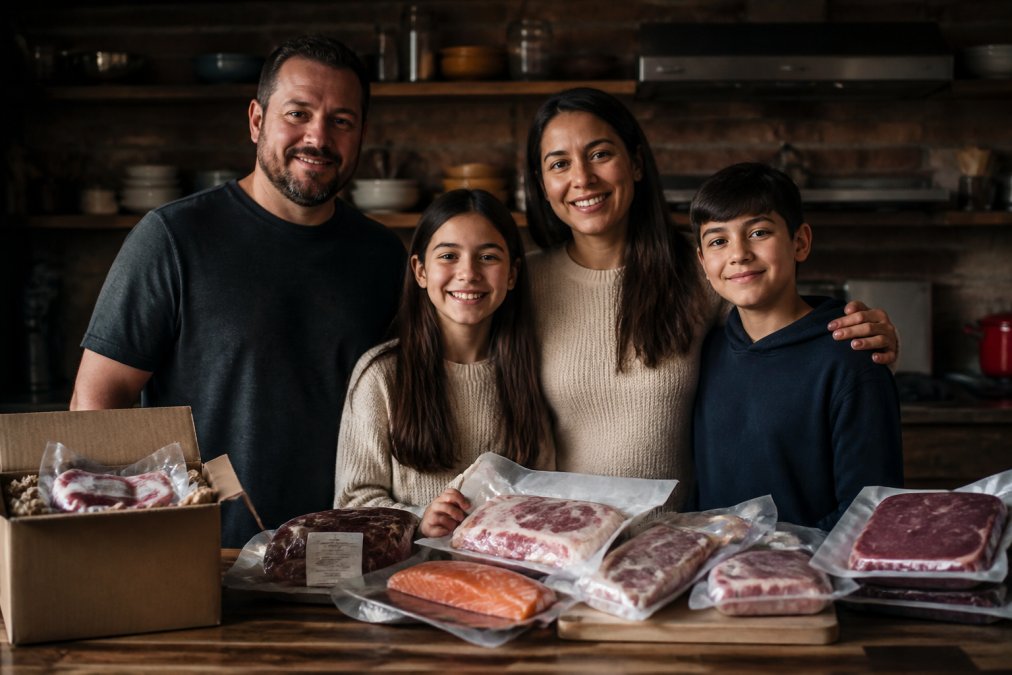
Table of Contents
- Understanding Meat Costs and Price Per Pound
- Best Meat Delivery for Families: Convenience Without Waste
- Bulk Meat Buying Tips That Actually Save Money
- Freezing, Portioning, and Storage for Maximum Shelf Life
- How to Stretch Your Meat Budget With Smart Cooking
- Meal Planning and Inventory Tracking to Reduce Food Waste
- Comparing Butcher Counter vs. Grocery Store Pricing
- Frequently Asked Questions
Last Updated: September 21, 2026
Understanding Meat Costs and Price Per Pound
To save on meat, the first step is understanding what you're actually paying for. Price per pound is a starting point, but cost per serving is what matters. A premium cut at a butcher counter might cost more upfront, but if it yields more usable protein and less waste, you're actually ahead.
Most families don't track unit price. They grab what's on sale without comparing. This is where budget-conscious shoppers lose money. When you calculate the actual cost per serving, budget cuts often waste more due to fat and bone content.
The Cost-Per-Serving Calculation Method
Here's the framework that separates smart shoppers from impulse buyers:
Step 1: Find the package weight. This is printed on the label (e.g., 2 kg).
Step 2: Estimate usable meat percentage. Different cuts have different waste:
- Boneless, skinless chicken breast: 95-100% usable
- Bone-in chicken thighs: 75-80% usable
- Ground beef (80/20 lean): 85-90% usable (some fat renders out)
- Beef chuck roast: 65-70% usable (significant bone and fat)
- Pork shoulder: 70-75% usable
If you're unsure, ask the butcher. They can tell you the yield on any cut.
Step 3: Calculate actual usable weight. Usable weight = Package weight × Usable percentage
Example: A 2 kg package of bone-in chicken thighs at 75% yield = 1.5 kg usable meat.
Step 4: Divide total price by usable weight. Cost per usable kilogram = Total price ÷ Usable weight
Example: $12 for 2 kg package with 1.5 kg usable meat = $8 per usable kilogram (not $6 per kilogram as the label suggests).
Step 5: Compare across options. Now you can fairly compare a $12 bone-in package (true cost: $8/kg usable) against a $14 boneless package (true cost: $14/kg usable). The boneless option is actually cheaper per serving, even though the sticker price is higher.
Why This Matters in Real Shopping
A family pack marked down 30% looks like a win. But if half the weight is bone and fat, the actual protein cost is higher than a leaner cut at full price. This single habit, tracking usable cost instead of sticker price, cuts grocery bills for families who apply it consistently.
Keep a simple note in your phone or on paper at the grocery store with the usable percentages for cuts you buy regularly. After a few trips, you'll recognize which sources and cuts give you the best true value.
Best Meat Delivery for Families: Convenience Without Waste
Buying meat online removes the guesswork that grocery stores create. When portions arrive pre-portioned and frozen at peak freshness, your family gets restaurant-grade quality without the waste.
The shift from grocery store shopping to delivery works because:
- No impulse buying of oversized packages
- Portions match your family's actual needs
- Flash-frozen means peak freshness locked in
- Consistent pricing removes price-shock surprises
Door To Table delivers restaurant-grade Alberta beef, free-range chicken, and Canadian seafood directly to your door.
Why Delivery Beats Grocery Store Guessing
Grocery stores stock meat in sizes designed for their inventory, not your family. A package of six chicken breasts might be four too many for your household. You either cook extra and waste, or freeze it and forget it.
Bulk Meat Buying Tips That Actually Save Money
Buying in bulk only saves money if you actually use what you buy. The trap is simple: larger packages cost less per pound, but they spoil or get forgotten in the freezer.
Smart bulk buying follows these rules:
- Buy bulk only for cuts your family eats weekly
- Match package size to your freezer capacity
- Use a rotation system so older packages get cooked first
- Portion immediately after purchase, before freezing
The Real Cost of Bulk Buying
Bulk pricing looks attractive until you factor in waste. A 15% discount on a package you only use 60% of is actually a loss. The spoiled portions cost you more than the discount saved.
Freezing, Portioning, and Storage for Maximum Shelf Life
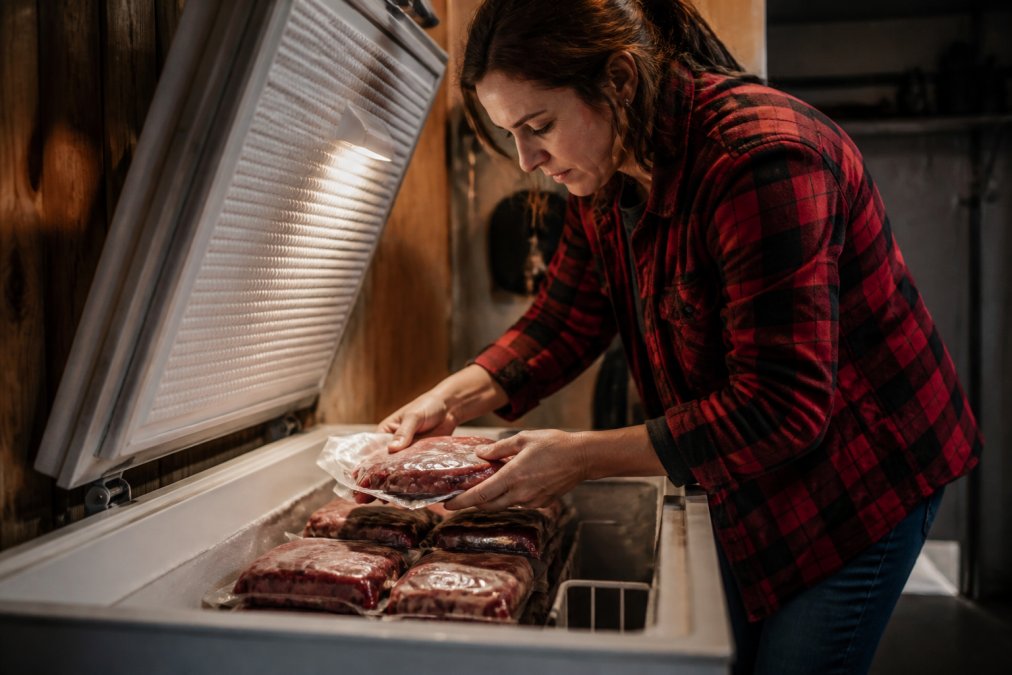
How you freeze meat determines whether it stays fresh for three months or eighteen. Proper technique matters more than most families realize, because spoilage is the hidden cost of bulk buying.
Flash-Freezing vs. Standard Home Freezing
Flash-freezing locks in quality. When meat freezes quickly at very cold temperatures, ice crystals stay small. Large crystals damage cell structure, creating dry, tough meat when thawed. Commercial flash-freezing happens at −40°C or colder. Home freezers run at −18°C, which is slower but still effective if you portion first.
The difference in outcome is significant:
- Meat frozen in a standard grocery bag at home freezer temperature: visible freezer burn after 4-5 months, texture degradation after 6 months
- Meat vacuum-sealed and frozen at home: usable for 8-12 months with minimal quality loss
- Meat flash-frozen commercially and vacuum-sealed: usable for 12-18 months
Shelf Life by Cut and Storage Method
Different cuts have different safe storage windows. This matters when you're buying in bulk:
Ground meat:
- Standard freezer bag: 3-4 months
- Vacuum-sealed: 8-10 months
- Flash-frozen vacuum-sealed: 12 months
Chicken (bone-in or boneless):
- Standard freezer bag: 6-9 months
- Vacuum-sealed: 10-12 months
- Flash-frozen vacuum-sealed: 12-18 months
Beef steaks and roasts:
- Standard freezer bag: 6-12 months (roasts last longer than steaks)
- Vacuum-sealed: 12-18 months
- Flash-frozen vacuum-sealed: 18-24 months
Pork:
- Standard freezer bag: 4-6 months
- Vacuum-sealed: 8-12 months
- Flash-frozen vacuum-sealed: 12-18 months
Vacuum Sealing: ROI and Best Practices
Vacuum sealing removes air, preventing freezer burn and oxidation. Freezer burn doesn't make meat unsafe, but it damages texture and flavor, turning premium cuts into tough, dry protein.
- Without sealing: 15-20% of bulk-frozen meat becomes unusable due to freezer burn (waste cost: $15-20 per 5 kg purchase)
- With sealing: 2-5% waste (waste cost: $2-5 per 5 kg purchase)
- Monthly savings: $10-15
- Sealer cost recovery: 2-6 months
Portioning Strategy for Minimal Waste
Portion meat before freezing, not after. Thawing a 2 kg package when you need 500 grams wastes the rest and creates food safety risks (partially thawed meat should not be refrozen raw).
Divide meat into meal-sized portions:
- Ground meat: 250-500 gram portions (enough for 2-4 servings depending on recipe)
- Chicken breasts: individual pieces or pairs (one breast per person)
- Roasts: slice into steaks before freezing if you'll cook them individually; leave whole if you'll cook as a roast
- Stew meat: portion into serving sizes (250-400 grams per portion)
- Bone broth scraps: freeze in 500 ml portions in ice cube trays, then transfer to bags
Labeling and Inventory to Prevent Forgotten Stock
Label everything with contents, weight, date frozen, and date to use by. Use a permanent marker or label maker. A freezer without labels becomes a mystery box, you forget what's there and buy duplicates, negating bulk savings.
Keep a freezer inventory on your phone or printed on the freezer door:
- Item name and quantity
- Date purchased or frozen
- Recommended use-by date
How to Stretch Your Meat Budget With Smart Cooking
Stretching meat doesn't mean serving less protein. It means cooking smarter so portions go further without feeling skimpy.
Stretching Techniques That Work
Mix ground meat with vegetables: Brown ground beef, then add finely chopped mushrooms, zucchini, or lentils. You cut meat volume by 25-40% while adding fiber and nutrients. Most families don't notice the difference in tacos, burgers, or pasta sauce.
Meal Planning and Inventory Tracking to Reduce Food Waste
Meal planning is the single most effective way to save on meat. When you know what you're cooking, you buy only what you need.
Inventory Tracking System
Keep a freezer inventory on your phone or printed on the freezer door:
- Item name and quantity
- Date purchased or frozen
- Date thawed or cooked
Update it weekly. This takes five minutes and prevents buying duplicates or forgetting older packages.
Meal Planning Framework
Plan meals around what's on sale or in season:
- Monday: chicken (on sale this week)
- Tuesday: ground beef (bulk-bought last month)
- Wednesday: fish (seasonal)
- Thursday: leftovers from earlier meals
- Friday-Sunday: planned meals using remaining stock
This approach saves money by shopping sales strategically, not randomly.
Comparing Butcher Counter vs. Grocery Store Pricing
Butcher counters and grocery stores price meat differently. Understanding the difference helps you choose the right source.
When Each Makes Sense
Choose grocery stores when:
- You need standard cuts quickly
- You're buying pre-portioned packages
- You want the lowest upfront price
Choose butcher counters when:
- You want custom cuts or specific sizes
- You buy in bulk and want advice on stretching budget
- You value knowing the source of your meat
- You want to discuss cooking methods for specific cuts
Butcher counters often offer better value for bulk purchases. They'll cut a whole chicken into exactly the pieces you need, or grind custom ratios of lean to fat for burger meat.
Frequently Asked Questions
What is the most cost-effective way to buy meat for a family?
Buying in bulk, choosing family packs, and purchasing at wholesale clubs offers the lowest unit price. Combine this with meal planning to match portions to your family's needs. Flash-frozen, portion-controlled meat from delivery services eliminates waste from over-buying at grocery stores, where you often pay for cuts you don't use. Track your price per pound across formats to compare true value.
How can I stretch my meat budget without sacrificing quality?
Mix ground meat with finely chopped vegetables, legumes, or grains in dishes like tacos, meatballs, and casseroles to extend portions. Use tougher, less expensive cuts like roasts and chuck for slow-cooking, which breaks down connective tissue and improves tenderness. Plan meals around seasonal sales and markdowns. Buying leaner varieties upfront reduces cooking loss. Proper thawing and storage techniques prevent freezer burn and waste.
How do I know if meat has freezer burn and is it safe to eat?
Freezer burn appears as gray or brown spots and ice crystals on meat surfaces. It's safe to eat but affects taste and texture. Prevent it by vacuum-sealing portions before freezing, removing as much air as possible, and storing at 0°C or below. Most meat keeps 6-12 months frozen when properly sealed. Label packages with the date to track storage life and rotate stock.
What's the real difference between buying meat fresh versus flash-frozen for budget savings?
Flash-frozen meat at peak freshness locks in nutrients and flavor, reducing waste from spoilage. You pay upfront but eliminate daily grocery trips and impulse purchases. Portion-controlled frozen cuts mean you use exactly what you need, cutting food waste. Fresh meat from the butcher counter often costs more per pound and spoils faster if not used within days, leading to waste that erases any savings.


