Buy Ethically Sourced Canadian Beef: A 2026 Guide
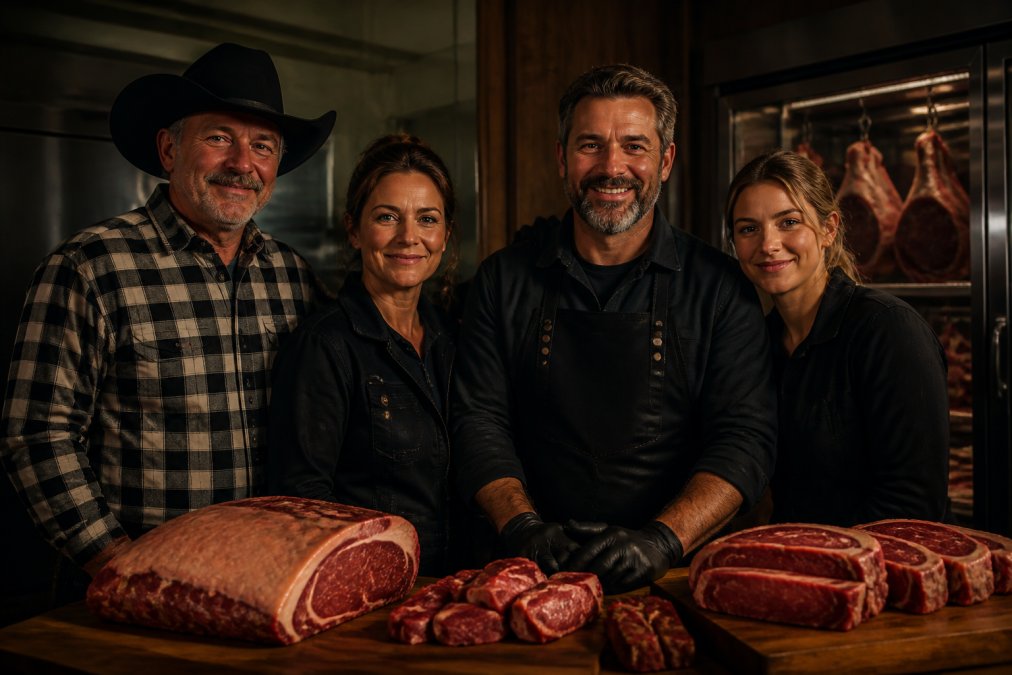
Table of Contents
- What Makes Beef Ethically Sourced?
- Sustainable Beef Farming Practices in Canada
- How to Read Meat Labels Without Getting Fooled
- Grass-Fed vs. Grain-Finished: Which Is More Ethical?
- Local Beef Delivery Services: What to Look For
- The Real Cost of Ethical Beef: Is It Worth It?
- Conclusion
- Frequently Asked Questions
Last Updated: September 16, 2026
What Makes Beef Ethically Sourced?
Ethically sourced beef is meat produced under verified standards for animal welfare, environmental responsibility, and supply chain transparency, from pasture to packaging. This guide from Door To Table breaks down how to buy [ethically sourced Canadian beef](/beef) with confidence, whether you're shopping in Edmonton, Fort McMurray, or the surrounding areas.
The label on the package rarely tells the whole story. A sticker that says "natural" or "premium" can mean almost anything, while genuine certifications follow strict, auditable rules. Below, we'll show you exactly how to separate real ethical claims from marketing noise, and which questions to ask before you spend a dollar.
The Five Pillars of Ethical Beef Production
Most credible ethical beef programs rest on five pillars: animal welfare, environmental stewardship, supply chain transparency, fair treatment of farmers, and food safety. When a producer can demonstrate all five, you're dealing with genuine ethical sourcing rather than a marketing claim.
Here's how the pillars break down in practice:
- Animal welfare covers humane handling, adequate space, and stress-reduced transport and slaughter.
- Environmental stewardship means managed grazing, water conservation, and reduced reliance on inputs.
- Traceability lets you trace a cut back to the farm or ranch that raised it.
- Fair farmer treatment supports ranchers with stable, transparent pricing.
- Food safety relies on government-inspected facilities and cold-chain integrity from processing to delivery.
A common mistake is assuming one pillar guarantees the rest. A farm can treat animals well and still lack traceability, or carry organic certification without strong welfare standards. Look for evidence across all five.
Sustainable Beef Farming Practices in Canada
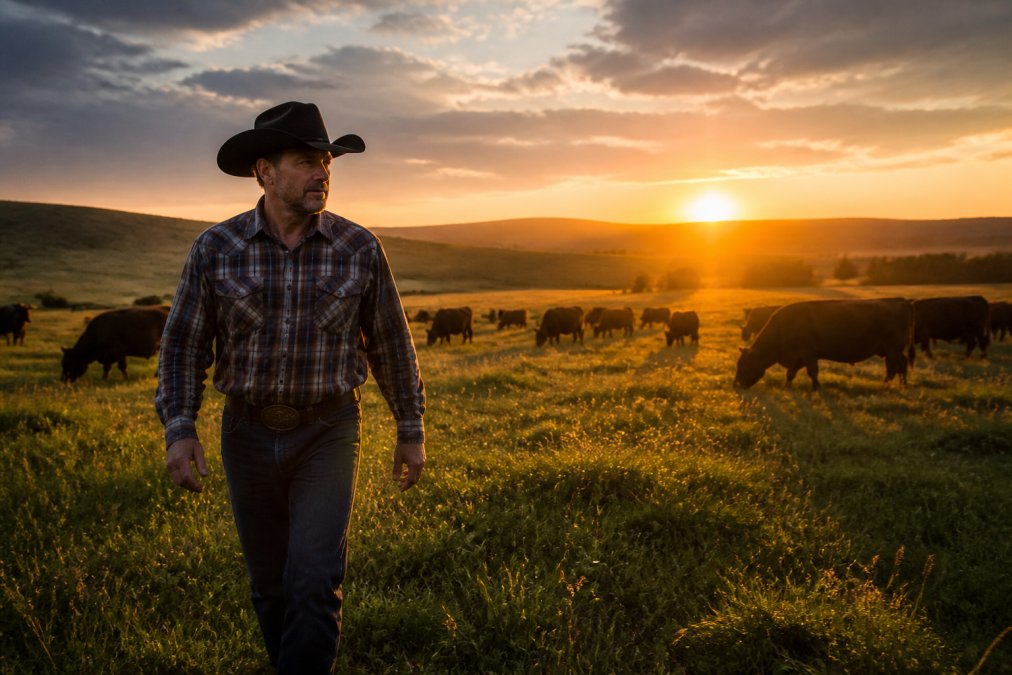
Sustainable beef farming practices in Canada center on rotational grazing, responsible land management, and reducing the carbon footprint of cattle operations. The Canadian beef industry has publicly committed to improving environmental outcomes through its sustainability goals, and many ranches now track soil health and water use as core metrics.
Rotational Grazing and Carbon Sequestration
Rotational grazing moves cattle between paddocks on a planned schedule, giving grass time to recover. This approach can improve soil health and support carbon sequestration, the process of capturing and storing carbon in the soil. It's one of the clearest examples of regenerative agriculture in practice, and it's a big reason pasture-raised beef can be part of a lower-impact diet when managed well.
What most guides miss is that rotational grazing isn't just an environmental talking point. It directly affects meat quality. Cattle raised on diverse pasture tend to develop better marbling and flavor, which is why chefs seek out grass-finished beef from well-managed ranches.
For more on how Canadian producers approach these commitments, see the Canadian Roundtable for Sustainable Beef, which coordinates sustainability standards across the industry.
How to Read Meat Labels Without Getting Fooled
Learning how to read meat labels comes down to one rule: trust certifications, not adjectives. Terms like "natural," "farm-fresh," and "premium" carry no legal definition in most cases, while certified programs require third-party audits and documentation. The fastest way to cut through greenwashing is to know which labels are regulated, which are verified by a third party, and which are pure marketing.
Start by scanning for a certification logo, then verify what it actually covers.
Decoding the Labels You'll Actually See
Here's how the common claims stack up:
- Organic: In Canada, organic certification is regulated under the Canadian Organic Regime. Certified products carry the Canada Organic logo and must meet defined requirements for feed, pasture access, and prohibited substances. It says nothing about grazing time or animal welfare beyond the organic standard's baseline.
- Grass-fed vs. grass-finished: "Grass-fed" alone is loosely used and often self-declared. "Grass-finished" means the animal ate pasture for its entire life. If finishing method matters to you, look for the word "finished," not just "fed."
- Antibiotic-free / hormone-free: These claims are frequently self-declared and largely unenforceable unless a third-party program verifies them. Ask whether the claim is audited or simply printed on the pack.
- Halal: Verified halal certification requires an audited slaughter process. A halal label without a certifying body's name is a claim, not a guarantee.
- CRSB certified: The Canadian Roundtable for Sustainable Beef operates a third-party certification framework covering environmental, social, and economic indicators. It's one of the few Canadian programs that addresses sustainability across the whole operation rather than a single attribute.
- Animal welfare certifications: Programs like Certified Humane and similar audited standards require on-farm inspections covering space, handling, and transport. A welfare logo says nothing about antibiotics or feed.
The Questions That Expose a Weak Label
- Who certified this, and can I see the standard?
- Is this claim third-party audited or self-declared?
- Can you tell me the farm or region of origin?
- Was the animal grass-finished or grain-finished?
For more on how Canadian producers approach these commitments, see the Canadian Roundtable for Sustainable Beef, which coordinates sustainability standards across the industry.
Grass-Fed vs. Grain-Finished: Which Is More Ethical?
Neither grass-finished nor grain-finished beef is automatically more ethical. The ethical question is how the animal was raised, handled, and processed, not simply what it ate in its final months. Grass-finished beef comes from cattle raised on pasture their entire lives, while grain-finished cattle spend their final months on a grain-based diet, often to build marbling. (Source: consumer demand for ethically sourced products)
| Factor | Grass-Finished | Grain-Finished |
|---|---|---|
| Diet | Pasture for life | Pasture, then grain |
| Flavor | Stronger, mineral | Milder, buttery |
| Fat profile | Leaner | More marbled |
| Best for | Roasts, ground beef | Steaks, quick cooking |
| Certification focus | Pasture and welfare programs | Welfare and feed standards |
Local Beef Delivery Services: What to Look For
Local beef delivery services vary widely in sourcing, packaging, and cold-chain reliability, so evaluate them on traceability, inspection, and portioning rather than convenience alone. A good provider tells you where the beef was raised, confirms government inspection, and freezes at peak freshness rather than at the end of shelf life.
Butcher Shop vs. Grocery Store vs. Subscription Box
Butcher shop. A good butcher can tell you the farm, the breed, and the finishing method, and will cut to order. You get the highest level of human expertise and the ability to ask questions face to face. The trade-offs are limited hours, higher per-kilogram prices on premium cuts, and no delivery unless the shop offers it. Best for shoppers who want to build a relationship and buy exactly what they need.
What Separates a Solid Delivery Service from a Weak One
- Clear sourcing: named farms or regions, not vague "local" claims
- Government-inspected facilities: a baseline for food safety
- Flash-freezing at peak freshness: locks in quality instead of masking age
- Portion control: freezer-ready packs sized for real households
- Delivery coverage: confirm your area is actually served before ordering
That last point matters more than most people expect. Many services advertise broadly but only deliver to major urban centers, leaving smaller communities to find another option.
The Real Cost of Ethical Beef: Is It Worth It?
Ethical beef usually costs more per kilogram than conventional grocery store beef, and the premium reflects real costs: slower growth, higher welfare standards, and smaller-scale processing. Whether it's worth it depends on what you value and how you use the meat.
Conclusion
Sorting real ethical claims from marketing noise takes effort, and the grocery aisle rarely makes it easy. Door To Table removes that guesswork with restaurant-grade Alberta beef, 95% Canadian sourcing, government-inspected facilities, and flash-frozen, portion-controlled packaging delivered to Edmonton, the surrounding area, and Fort McMurray. Get started with Door To Table and put beef you can actually trace on your family's table.
Frequently Asked Questions
What certifications should I look for when buying ethical Canadian beef?
Look for the Canadian Roundtable for Sustainable Beef (CRSB) certification, which verifies sustainable practices across the supply chain. Certified Organic labels from bodies like Ecocert Canada also indicate antibiotic-free and hormone-free production. For animal welfare, check for certifications from organizations like SPCA Certified. These programs audit farms regularly and provide traceability from birth to processing, giving you confidence that the beef meets verified ethical standards.
How can I verify the origin of my beef when ordering online?
Reputable local beef delivery services provide farm names, locations, and sometimes ranch profiles on their websites. Ask for the Canadian Cattle Identification Agency (CCIA) tag number, which traces animals back to their farm of origin. Look for providers that name specific ranches rather than vague regional claims. If a company cannot tell you which farm your beef came from, that is a red flag. Transparency about sourcing is the clearest sign of an ethical supplier.
Is grass-fed beef always more sustainable than grain-finished?
Not necessarily. Grass-fed cattle require more land and take longer to reach market weight, which can increase methane emissions per kilogram of beef. However, well-managed rotational grazing on grasslands can sequester carbon and support biodiversity. Grain-finished cattle gain weight faster with less land, but rely on feed that may be imported. The sustainability difference depends on farming practices, not just diet. Look for producers using regenerative grazing methods regardless of whether they finish on grass or grain.
What is the difference between grass-fed and grass-finished beef?
Grass-fed typically means cattle ate grass for part of their lives but may have been grain-finished in a feedlot. Grass-finished means the animal ate only grass and forage from weaning to harvest. For ethical sourcing, grass-finished is the stronger claim because it usually means the animal stayed on pasture its entire life. However, grass-finished beef can be leaner and has a different flavor profile. Both labels should be paired with welfare certifications to confirm ethical treatment.


